
Introduction Donald Trump …
Introducción Pedro Sánchez es una de las figuras más influyentes de la política contemporánea en España. Como líder del …
5 Introduction David Beckham is one of the most recognizable athletes in the world. Known for his exceptional football …
Newsletter
-
The world of electronics has been defined by a relentless pursuit of …
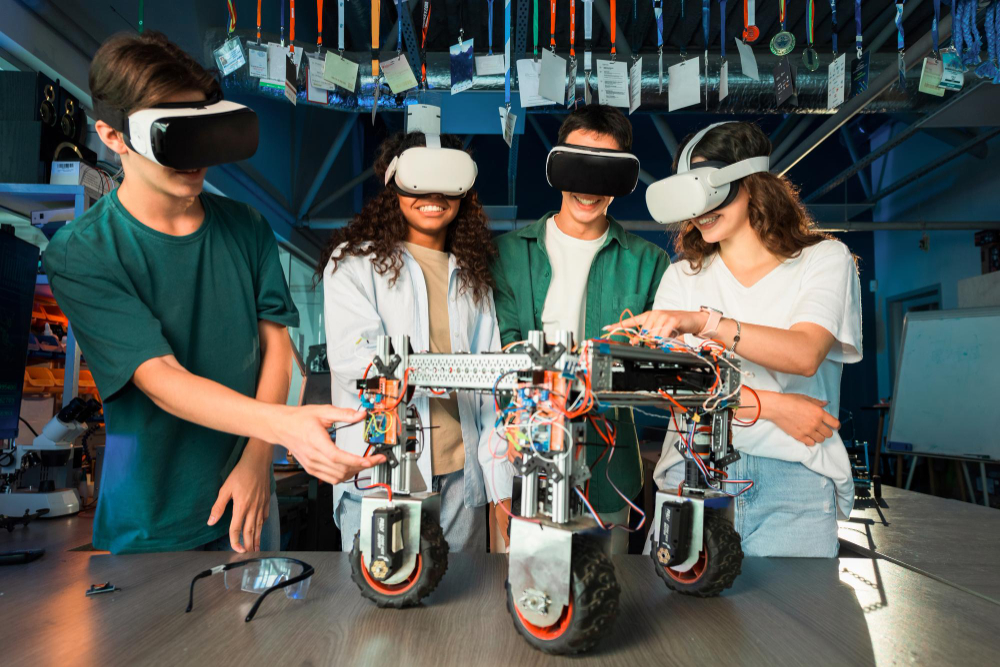
From healthcare facilities to home living rooms, robots are no longer confined to science fiction; they are becoming everyday companions and problem-solvers. In hospitals, robotic systems assist surgeons with delicate operations that demand precision beyond human steadiness, reducing recovery times and minimizing risks. Service robots are also being used to deliver medication, sanitize rooms, and even guide patients through large medical complexes. Beyond the medical realm, robots are already playing a vital role in manufacturing lines where repetitive, high-precision tasks are critical, taking on dangerous or physically exhausting jobs that would otherwise put human workers at risk. More recently, social and assistive robots have made their way into eldercare settings, providing conversation, reminders for medication, and helpful mobility assistance. These applications highlight how robots are increasingly integrated into both specialized industries and personal environments. While concerns about job displacement and ethical use remain, the evidence so far suggests that robotics is supplementing rather than replacing most human roles, allowing people to focus on more complex, creative, or interpersonal aspects of their work and daily lives. The trajectory of this technology indicates that robots will continue to merge into ordinary routines, not as distant novelties, but as practical partners that enhance safety, productivity, and quality of life. As advancements accelerate, the presence of robots in society will feel less like a glimpse into the future and more like a defining part of the present.
Artificial Intelligence is no longer a futuristic concept confined to research labs or tech startups; it has become an …
Daily News
Virtual reality (VR) is no longer just a futuristic concept or a …
In an age where personal information, financial transactions, and even medical records …
The world of electronics has been defined by a relentless pursuit of …
In recent years, the pace at which technology has evolved has given …
Artificial Intelligence is no longer a futuristic concept confined to research labs …
